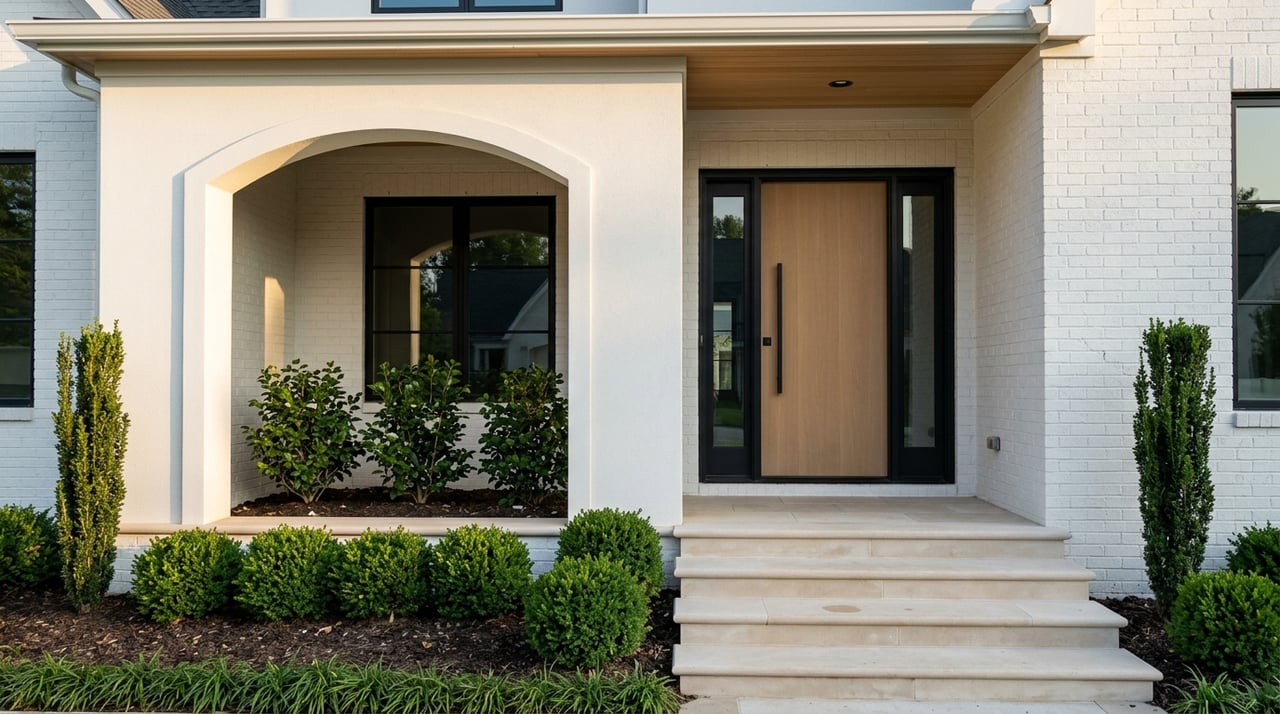
Choosing Between Historic and New Luxury Homes in Roswell
May 7, 2026
May 7, 2026
What matters more to you in Roswell luxury real estate: timeless character or modern ease? If you are weighing a historic or historic-style home against a newer luxury build, the decision is about far more than looks. In Roswell, preservation rules, renovation flexibility, energy performance, and long-term ownership costs can all shape how a home fits your life and your investment goals. Let’s break down what to consider before you choose.
In Roswell, the historic-versus-new conversation is not just about personal taste. The city actively manages historic character through its preservation framework, especially within the 640-acre Roswell Historic District. That means some properties are subject to review for exterior material changes, new construction, demolition, moving structures, and changes to exterior environmental features.
Roswell also adopted a Historic District Master Plan in 2019, followed by a regulating plan map in 2020. In practical terms, that tells you the city treats historic character as an asset worth preserving. If you are considering a home in or near the Historic District, that context should be part of your buying strategy from day one.
Roswell’s identity is also visible in its landmark properties. Bulloch Hall, Barrington Hall, Smith Plantation, and Mimosa Hall help define the city’s architectural legacy, with examples that include Greek Revival, Greek Temple Revival, and vernacular architecture. The Roswell Historic District was added to the National Register in 1974, which adds another layer of significance to the area’s design character.
For many buyers, the appeal of a historic or historic-style home starts with architecture. In Roswell, that may mean period details, traditional proportions, and a stronger sense of connection to the city’s 19th-century roots. These homes often feel distinct in a way that newer construction cannot easily replicate.
There is also an emotional side to the decision. You are not simply buying square footage or a list of finishes. You are often buying into a sense of place, architectural authenticity, and a setting that reflects Roswell’s long-established identity.
In luxury real estate, that kind of scarcity can matter. Homes with strong architectural character and location appeal may attract buyers who value authenticity and design continuity. Still, value is closely tied to condition, stewardship, and how thoughtfully the home has been maintained or updated.
Owning a historic home often means accepting a more hands-on role. Rehabilitation standards are built around making a historic property usable while preserving the features that convey its historical value. That usually requires more planning than a typical cosmetic renovation.
Older homes also tend to need efficiency improvements because they were built before modern energy standards. Common retrofit areas include air sealing, insulation, HVAC, windows, and water-heating equipment. According to ENERGY STAR, replacing old drafty windows with certified windows can lower household energy bills by an average of 12%.
That does not mean every historic home is inefficient or every upgrade is difficult. It means you should walk into the process with realistic expectations about maintenance, project scope, and the cost of thoughtful improvements.
One of the most important distinctions in Roswell is whether a home is simply traditional in style or actually subject to historic regulation. Within the Historic District, certain exterior work requires approval from the Historic Preservation Commission. That can include material changes, additions, new buildings, demolition, or moving structures.
This matters because your renovation ideas may be shaped by local review. If you are planning to rework a facade, add square footage, or alter exterior elements, you will want to confirm what approvals may be required before you close. A design-forward vision is still possible, but the path may be more deliberate.
Roswell’s Mimosa Hall project reflects that local mindset. The city describes it as preserving historic character while introducing modern amenities. That is often the right lens for luxury buyers here: modernization can work well, but it should respect the property’s defining architectural features.
If your priority is ease of ownership, a newer luxury home may be the better fit. New construction typically offers a cleaner starting point with updated systems, current layouts, and less immediate need for major improvements. For many buyers, that translates into less friction in the first several years of ownership.
Energy performance is another major advantage. The U.S. Department of Energy says energy-efficient new homes are designed as whole systems to deliver strong performance, comfort, efficiency, and durability. ENERGY STAR also notes that certified new homes are built better from the ground up and generally offer better efficiency and performance than other homes.
From a practical standpoint, building efficiency measures during construction is usually easier than retrofitting them later. The Department of Energy specifically notes that adding insulation during construction is more cost-effective than installing it after the home is finished. If you value open layouts, large windows, and modern mechanical systems, that can be a meaningful advantage.
A newer home is not the same as a no-rules home. In Roswell, new builds still move through local review and approvals, including development and building processes. The key difference is that the review path is generally standard development review rather than preservation review.
That distinction can affect both timing and design freedom. If you want a more customized luxury home without the preservation constraints that may come with a regulated historic property, newer construction often provides a more flexible framework.
Roswell’s market data suggests many buyers think like long-term owners. From 2019 to 2023, the city’s owner-occupied housing rate was 71.2%, and the median value of owner-occupied homes was $520,500. While that median value does not define the luxury segment, it does support the idea that durability, upkeep, and resale potential matter in this market.
For a historic home, long-term value often comes from scarcity, authenticity, and location. The flip side is that value depends heavily on condition and the quality of past and future stewardship. A poorly planned renovation can undercut the very character that gives the home its appeal.
For a newer luxury build, long-term value often rests more on functionality, current design, construction quality, and lower-maintenance ownership. These homes may appeal to buyers who want a modern baseline and fewer near-term capital projects.
If you are drawn to a historic property, you may also be wondering about incentives. Georgia’s current historic home tax credit is available for tax years 2023 through 2029 and can equal 25% of qualified rehabilitation expenditures, up to $100,000 per home. Starting in 2026, some locally designated principal residences that meet National Register criteria may also qualify.
That said, you should not assume a property automatically qualifies. Local designation, state tax-credit eligibility, and local certificate of appropriateness approval are separate processes. Georgia DCA specifically notes that a locally designated property is not automatically eligible for Georgia or National Register credits, and a state tax-credit decision does not determine the local historic-review outcome.
In plain terms, due diligence matters. Before you count on renovation flexibility or tax incentives, verify the property’s status and the approval path tied to your plans.
The right answer usually comes down to how you want to live and how you want to own. If you are inspired by architecture, legacy, and the nuance of a one-of-a-kind property, a historic or historic-style home may offer the deeper fit. If you prefer streamlined ownership, stronger baseline efficiency, and easier customization, a newer luxury home may better support your priorities.
A helpful way to frame the choice is this:
In Roswell, luxury real estate decisions are rarely just lifestyle decisions. They are also design decisions, ownership decisions, and long-term asset decisions. The strongest outcome usually comes from matching the home’s architecture and constraints to the way you actually want to live.
If you want help evaluating a historic estate, a newer luxury build, or the resale implications of each in Roswell, Tasha Kline offers strategic, design-aware guidance tailored to your goals.
Stay up to date on the latest real estate trends.
Discover the finest homes North Atlanta has to offer. Stay connected to exclusive listings, market insights, and opportunities curated by a luxury real estate advisor with expertise in North Atlanta’s market.