Curious if a gated or country-club community in Alpharetta is the right move for your lifestyle and portfolio? You want privacy, amenities, and a location that works for daily life, but the options can feel complex. In a few minutes, you’ll understand the main community types, how memberships work, what drives long-term value, and the due diligence steps that protect your investment. Let’s dive in.
Alpharetta gated and club basics
Community types you’ll see
- Master-planned communities with a private country club. These are large neighborhoods built around a club, golf course, and broad amenities. A local example is Windward, anchored by Windward Country Club. Expect a full-service, highly social lifestyle with on-site programming.
- Traditional private country-club subdivisions. These focus on golf, tennis, dining, and a robust social calendar. Buyers often compare options in nearby North Fulton cities when evaluating Alpharetta-area choices.
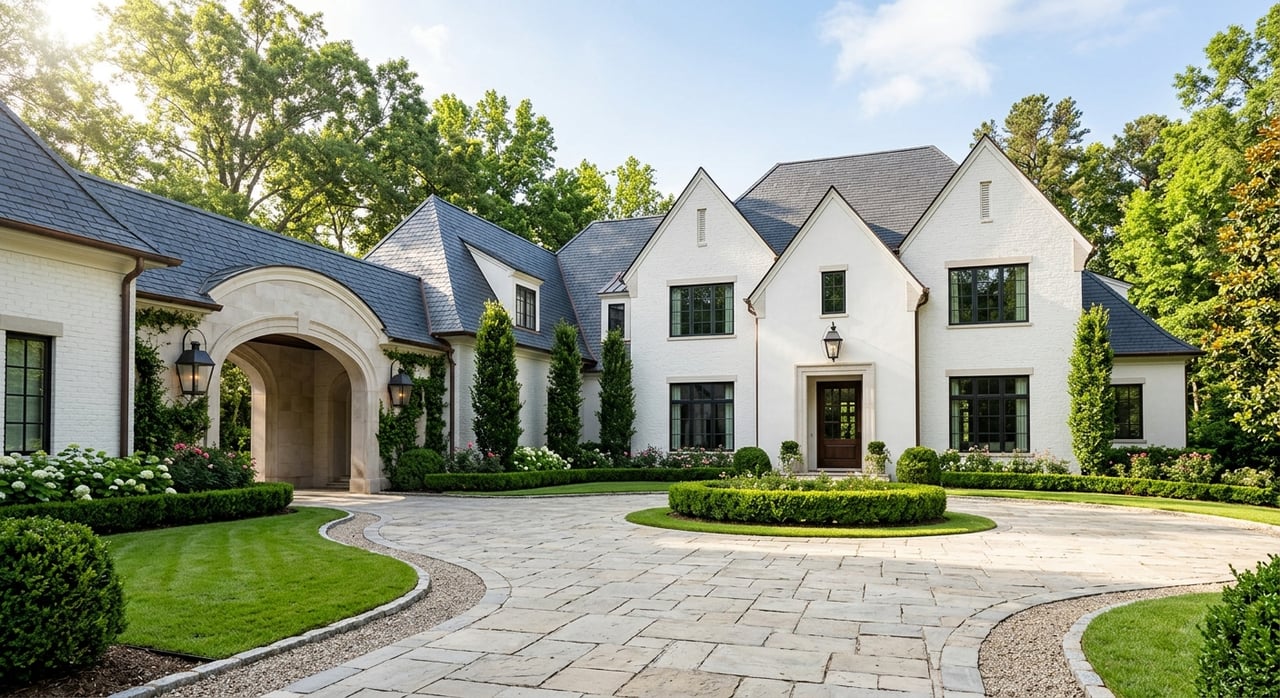
- Small gated estate enclaves. Limited-lot neighborhoods with strong privacy and custom homes. You’ll see higher per-home operating costs tied to security and maintenance.
- Amenity-rich HOA communities. Gated or partially gated neighborhoods centered on pools, fitness, trails, and courts, but without a private country club.
How buyers shop the North Fulton market
Many Alpharetta buyers compare neighborhoods across Johns Creek, Milton, and Roswell. Municipal boundaries do not always match how buyers search. If a community delivers the right mix of access, amenities, and privacy, it is often on the shortlist regardless of city line.
Amenities and memberships
Club-level lifestyle
Private club communities typically offer golf, practice facilities, a full-service clubhouse with formal and casual dining, tennis, swimming, fitness, junior programs, and a steady social calendar. The lifestyle is intentionally active and community-driven, with events that make it easy to build a network.
Neighborhood amenities
Amenity-center neighborhoods focus on day-to-day convenience. Think pools, playgrounds, walking trails, fitness rooms, and community clubhouses that host casual events. The tone is relaxed and family- or fitness-oriented without the structure of a full club.
Security and privacy
Gated entries range from 24/7 staffed security to automated gates and camera-monitored access. Small estate enclaves often prioritize privacy the most. Higher security can mean higher HOA costs, so weigh the tradeoff between privacy and ongoing dues.
Membership structures
Club memberships can be private, semi-private, or public access in nature. You’ll see different membership types, such as full family, social (non-golf), junior, and corporate. Confirm whether memberships are transferable with a home, whether there are initiation fees, and if there is a waitlist. Expect separate costs for club dues and HOA dues, plus occasional capital assessments.
Homes and value drivers
Housing by community type
- Master-planned club communities usually offer a mix of home styles and ages, from mid-era builds to newer infill and custom sections.
- Private club subdivisions often deliver larger lots, custom or semi-custom builds, and a higher concentration of top-end finishes.
- Gated estate enclaves emphasize custom architecture, curated landscaping, and strict design controls that protect privacy and streetscape quality.
What supports resale premium
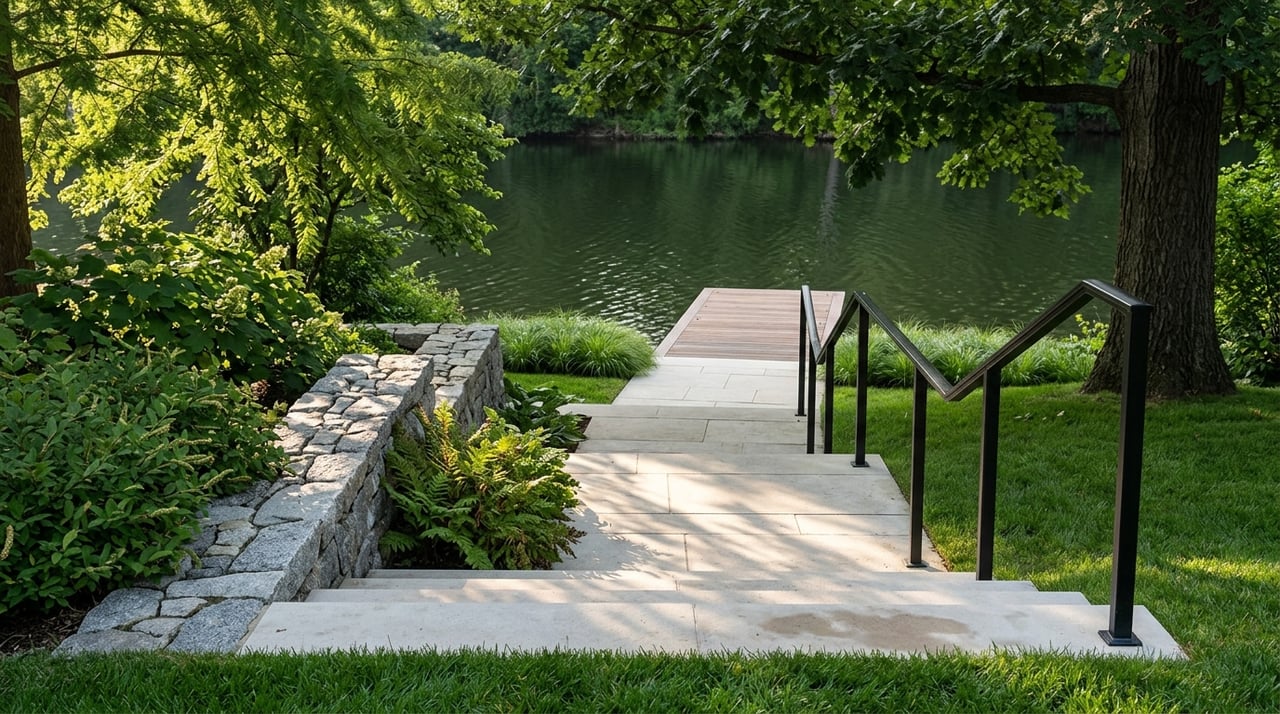
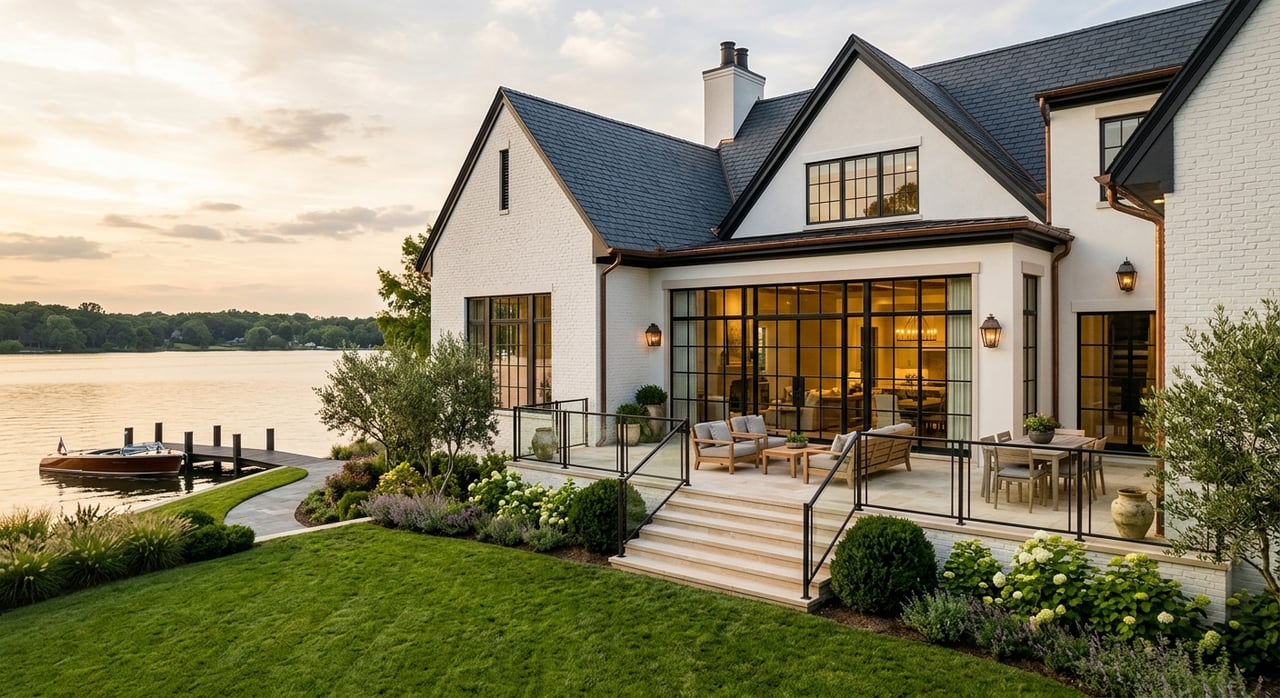
Resale premiums tend to follow lifestyle and location advantages. Golf-course frontage, a transferable club membership, strong school zoning, and proximity to Alpharetta employment hubs and retail districts like Avalon can boost buyer demand. The community’s reputation, amenity upkeep, and architectural standards also matter.
Market dynamics today
Inventory in gated and club neighborhoods is often limited, which can lengthen search timelines. Demand runs strong among relocation executives and move-up buyers who value consistent amenities and security. While luxury segments can be sensitive to economic shifts, well-positioned properties often draw interest even when rates are changing.
Due diligence checklist
Use this quick list to protect your investment and streamline your purchase:
- Confirm municipal boundaries, school zoning, and utilities. Alpharetta, Johns Creek, and Milton lines can sit close together, and zoning can change over time.
- Verify club policies. Ask whether the club is private or semi-private, if membership transfers with the home, initiation or transfer fees, waitlist status, annual dues, and any landing or capital fees.
- Review HOA CC&Rs. Confirm architectural controls, exterior alteration rules, rental limits, and short-term rental prohibitions, plus approval timelines.
- Evaluate security. Understand gate staffing hours, guest protocols, and camera coverage.
- Assess property specifics. If near a golf course, review buffers, maintenance practices, and any spray or drainage considerations. Check for easements and stormwater responsibilities.
- Model taxes and insurance. Larger estates and golf or water-adjacent lots may carry higher assessments and premiums. Review recent tax history and obtain preliminary insurance quotes.
- Analyze liquidity. Look at turnover and days on market for the specific community. Smaller enclaves can take longer to resell but hold value when well maintained.
- Line up inspections. In addition to a standard inspection, consider roof, pool, septic where applicable, structural, and any erosion reviews near golf features.
Strategy and timing
- Bring strong pre-approval or proof of funds. Luxury sellers prefer qualified buyers and efficient closings.
- Align closing with membership transfer. Some clubs have timelines for transfers or application windows.
- Request recent HOA and club documents. Meeting minutes and reserve statements reveal planned projects and potential assessments that affect carrying costs.
How to compare options
- Start with lifestyle. Decide between a highly social club environment or a quieter gated enclave focused on privacy.
- Define daily patterns. Consider access to GA-400, business hubs, schools, and recreation, and how often you plan to use club amenities.
- Clarify membership needs. Choose between full golf, social-only, junior, or corporate memberships, and ask about waitlists.
- Evaluate architecture and lot preferences. Determine if you prefer custom estates, low-maintenance sections, or a mix of home types within a master plan.
- Compare governance. Review CC&Rs for design controls and rental rules, then align them with your goals and time horizon.
- Weigh long-term value. Prioritize properties with features that typically support resale, such as course frontage, transferable memberships, and strong location dynamics.
A note on local examples
One well-known Alpharetta option is Windward, centered around Windward Country Club and a broad amenity framework. Many buyers also explore comparable communities in nearby Johns Creek, Milton, and Roswell when building a shortlist. Confirm municipal boundaries, club policies, and HOA rules for each neighborhood you consider.
Work with a strategic advisor
You deserve a clear, data-informed path to the right home and club fit. With a background that blends institutional-level analysis and design-minded curation, our advisory approach helps you compare membership structures, evaluate CC&Rs, and model long-term value across Alpharetta’s gated and club communities. If you are ready to narrow the field and move decisively, connect with Tasha Kline for a tailored search and negotiation plan.
FAQs
What is the difference between private, semi-private, and public clubs in Alpharetta?
- Private clubs restrict access to members and guests, semi-private clubs blend member access with limited public play, and public courses are pay-to-play without membership requirements.
How do HOA dues differ from club dues in gated communities?
- HOA dues cover neighborhood operations like security, common areas, and amenity upkeep, while club dues are separate and fund golf, tennis, dining, fitness, and social programming.
Are club memberships transferable when buying a home in a club community?
- Policies vary by club, so confirm whether memberships transfer with the property, if initiation or landing fees apply, and whether there is a waitlist during your escrow timeline.
What should relocation executives expect for inventory and search timing?
- Inventory can be limited in luxury gated and club neighborhoods, so plan for a longer search window and be prepared with proof of funds or pre-approval to act quickly when the right home appears.
Do these neighborhoods allow rentals or short-term stays?
- Many have rental restrictions and often prohibit short-term rentals; review CC&Rs and management policies early to avoid surprises.
How do school zones affect buying decisions in Alpharetta gated communities?
- Many buyers consider school assignments as part of their decision-making; verify current boundaries and any pending rezoning before you finalize an offer.